Golf Fit Toolkit
Six fitting checks you can run before spending money, in the order that matters. Each tool gives a starting point and a range, shows its working, and tells you what to verify next.
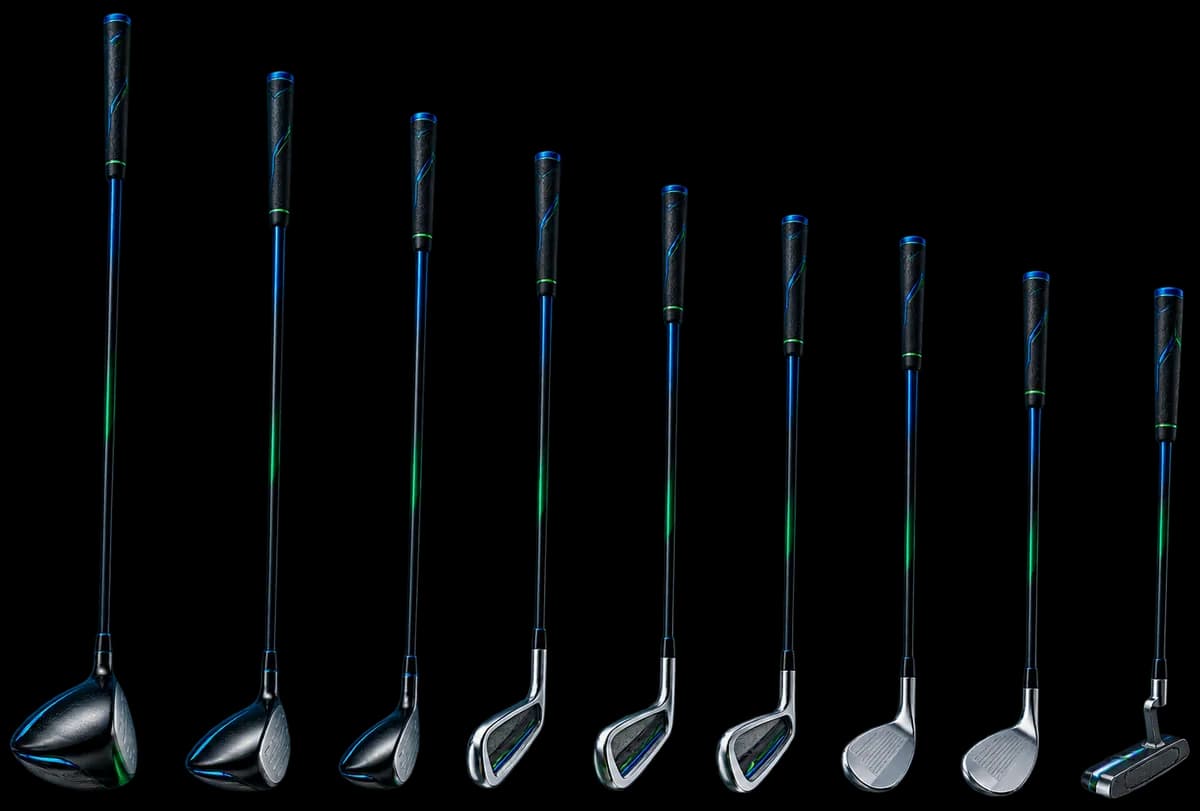
The sequence, and why this order
Club Length Calculator
2 minutesA static starting estimate from height and wrist-to-floor, with a practical trial range and a verification checklist.
- You need
- Height and wrist-to-floor, in golf shoes.
- You get
- A starting length, a trial range and a five-check verification list.
Lie Angle Check
15 minutes at the rangeRead sole marks and start lines to tell whether your irons play too upright or too flat, without guessing degrees.
- You need
- Masking tape on a sole and ten shots, or a lie board.
- You get
- Whether your irons play upright or flat for the way you deliver the club, and what to do next.
Grip Size Finder
1 minuteA starting grip size from a hand measurement, with a glove-size fallback and the dynamic check that confirms it.
- You need
- A ruler across your lead hand, or your glove size.
- You get
- A starting grip size and the dynamic check that confirms it.
Shaft Flex Calculator
1 minuteA flex shortlist from swing speed or carry, adjusted for tempo and release, with the reasons spelled out.
- You need
- Driver speed, or a carry distance you trust.
- You get
- A flex shortlist with reasons, not a single verdict.
Swing Weight Calculator
3 minutesMeasure swing weight from total weight and balance point, and estimate what a component change will do.
- You need
- A kitchen scale and a ruler, or a change you are considering.
- You get
- Your club’s swingweight, or the effect of a component change in points.
Bag Gapping Calculator
5 minutesEnter carry distances, see every gap and overlap, and keep the map on this device.
- You need
- Carry distances for every club, ideally from real shots.
- You get
- Every gap and overlap in the bag, flagged and saved on this device.
Length first because it moves lie, swing weight and posture all at once; every later check assumes length is settled. Lie and grip next because they are cheap to verify and change how the club is delivered. Flex and swing weight after that because they are about feel and timing on a club that already fits your body. Gapping last because it is the only check that looks at the whole bag, and it needs real carry numbers from clubs you can already strike.
Fitting a junior?
Juniors are sized by height, not age, and outgrow clubs on a schedule. The junior sizing guide sanity-checks the current set and plans the next re-check around growth.
Open the junior guideWhat these tools are, and are not
They are starting points. Every result is a conservative estimate from static inputs, rounded to the steps clubs are actually built in, with a range that shows how sure the method can be.
They are not a fitting. Nothing here watches you swing. A fitter with a launch monitor and a lie board will find things a tape measure cannot. These pages get you to that session, or to a careful home trial, with the right questions.
There are no confidence scores, testimonials or guarantees. Where public sources disagree, the range covers the disagreement and the methodology says so. Every tool lists the sources it leans on and the date it was last reviewed.
Nothing leaves your browser. Results, checklists and the bag map are stored on this device only. Links carry your measurements only if you choose to copy them.
Then measure the change on the course.
The toolkit ends with gapping because that is where fitting meets reality. Golfonaut on Apple Watch records your shots and shows distance per club, so you can see whether a change to length, lie, grip or shaft actually moved your carry and dispersion.
Free on the App Store. Requires an Apple Watch and iPhone. Your fit results stay in this browser; nothing is uploaded.