Lie Angle Check
Lie is verified on the ground, not calculated on a screen. Put tape on the sole, hit ten shots, and this page turns the sole mark, start line and strike into a reading and a next step. It never guesses a number of degrees.
Static versus dynamic lie
Static lie is the angle between shaft and sole when the club is soled at rest, or the way it sits at address. It is what a spec sheet quotes and what a static chart from height and wrist-to-floor estimates.
Dynamic lie is how the sole meets the ground at impact, after the shaft has drooped under load and your hands have found their own height. It is the only one that changes ball flight, and it can differ from static by several degrees in either direction. That is why this page asks what the sole and the ball did, not what a chart said.
The effect is real: a lie that is off pushes the start line towards the heel side of the face, roughly a few yards per degree at 7-iron distance and more with loft. Wedges are the most sensitive clubs in the bag.
The sole-mark test
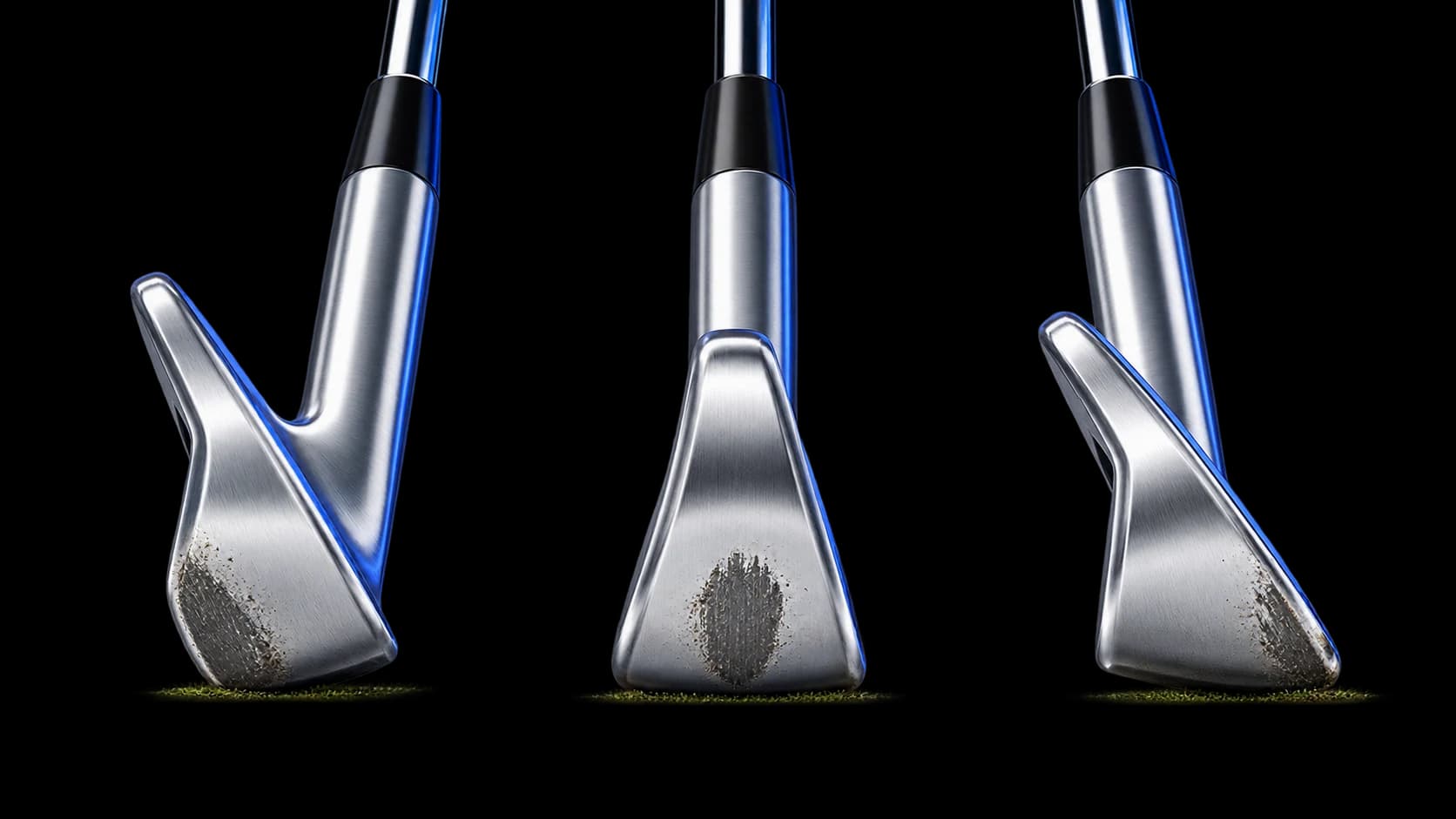
- Stick masking tape along the sole of a mid iron, or use a lie board with a marker line.
- Hit five to ten shots from a flat lie with your normal setup. Ignore obvious mishits.
- Read where the scuff sits: heel means the heel is digging (playing upright), toe means the toe is digging (playing flat), centred is right.
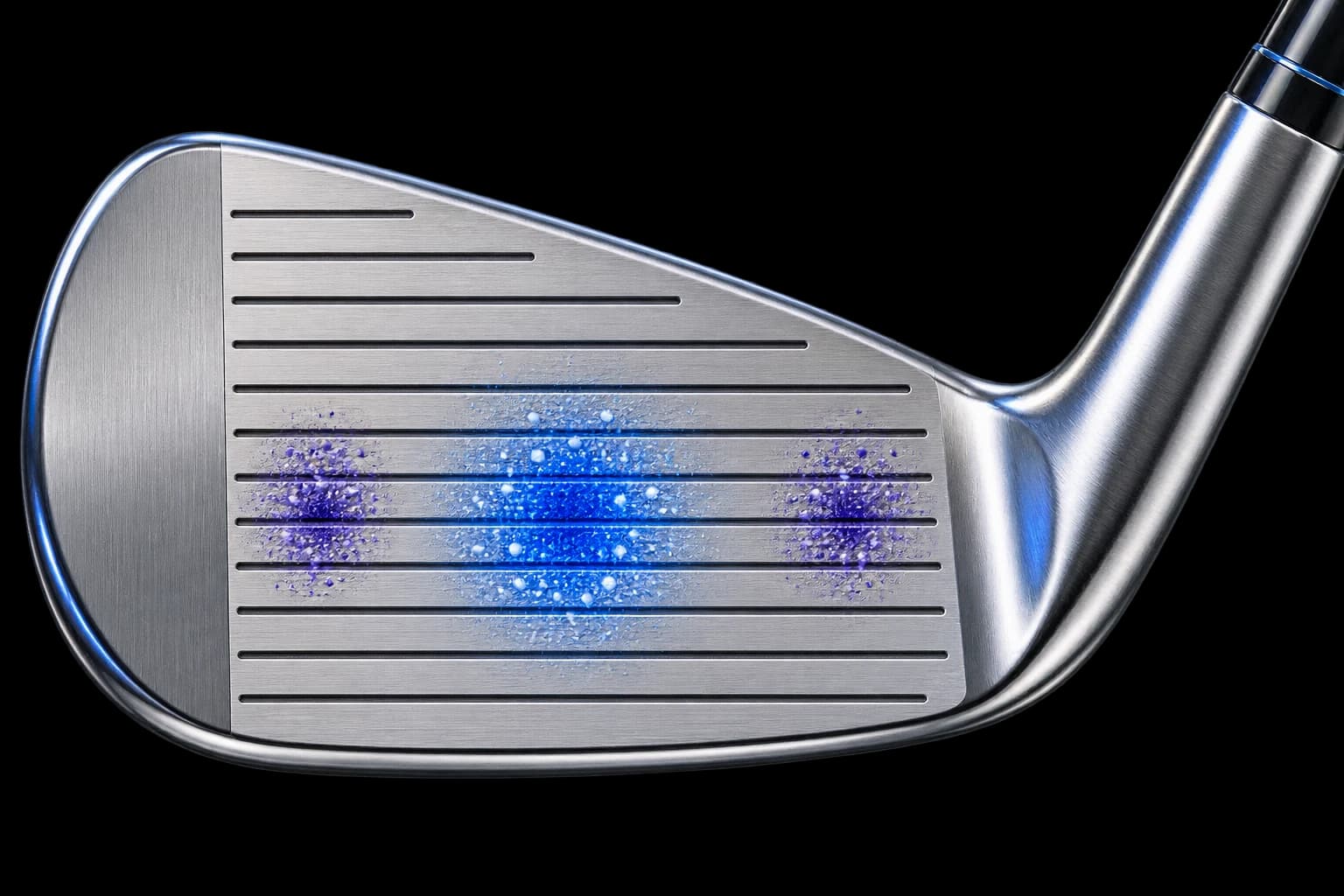
Check the face at the same time. Heel or toe strikes twist the face and bend the start line on their own, and they also drag the sole mark with them. If the strike is not centred, fix setup distance or length before you read the lie.
How the reading is made
The sole mark is the primary evidence. The start line is used as a consistency check: for a right-hander a club playing too upright tends to start the ball left and too flat tends to start it right (mirrored for left-handers). When the two agree the reading is trustworthy; when they conflict the page says so and asks for more shots rather than suggesting a bend, because path, face and strike are then the more likely causes.
Fewer than five shots is treated as insufficient, and a recent change to length, grip or shoes adds a caution because dynamic lie follows those changes for a few sessions. The page never converts a mark into degrees: that needs a lie board, a bending bar and someone watching the result, one small step at a time.
Next in the fit sequence
Grip size is next because it is cheap, and it changes how the hands deliver the club. Then the shaft.
Changed something? Measure it on the course.
A fitting hypothesis only becomes a fit when the numbers back it up. Golfonaut on Apple Watch records your shots and shows carry and dispersion per club, so you can compare before and after any change to length, lie, grip, shaft or swing weight.
Free on the App Store. Requires an Apple Watch and iPhone. Your fit results stay in this browser; nothing is uploaded.